What pelvic care covers here
The problems women bring to this visit are specific, and they are treated as medical problems. Stress leakage with a cough or a workout. Urgency that maps the day around bathrooms. Recurrent urinary infections. A bulge or a pressure that worsens by evening. Pain with sex, dryness, or a loss of sensation that showed up with menopause and was waved off as normal.
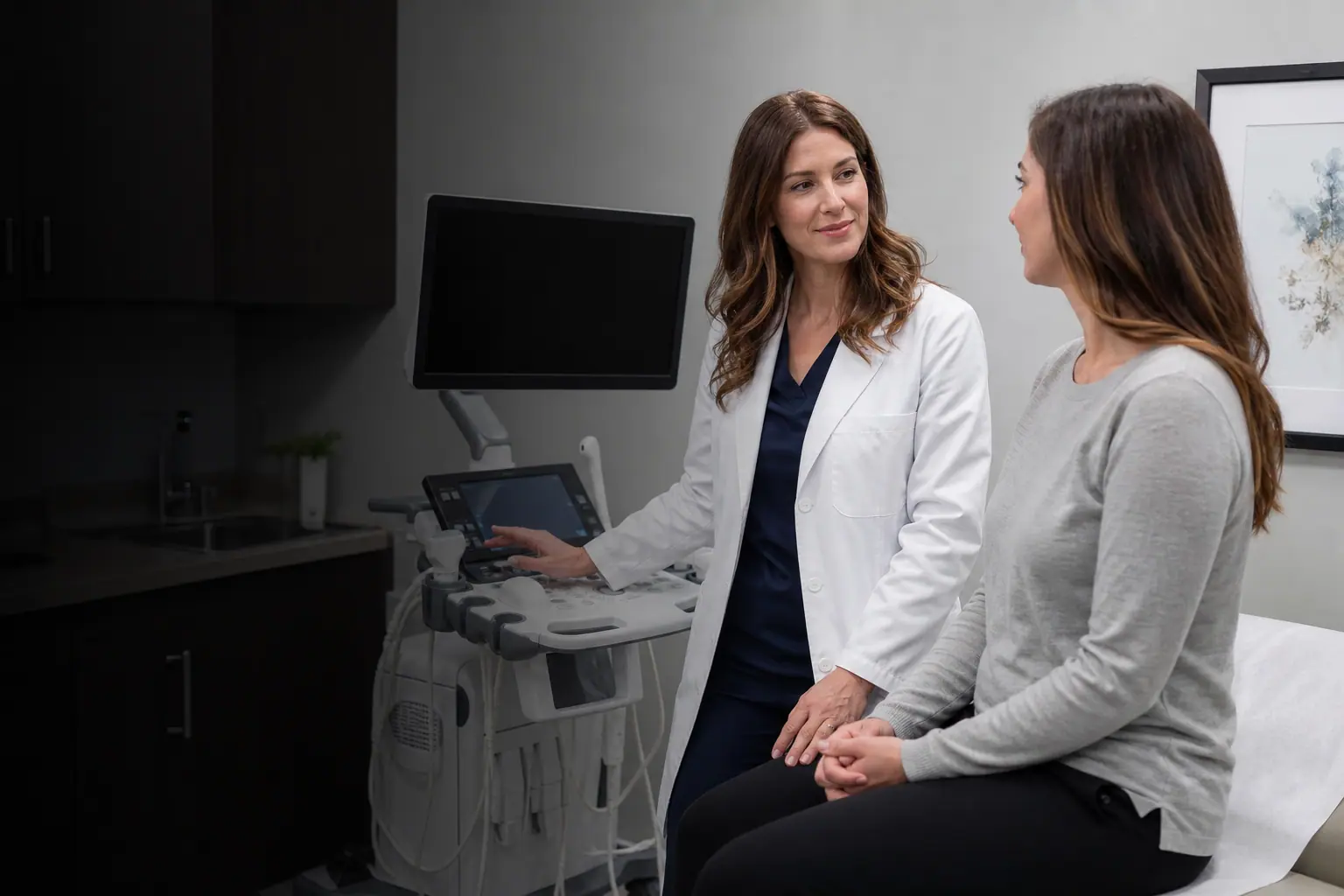
Dr. Karyn Eilber is a urologist who is also board-certified in urogynecology and reconstructive pelvic surgery, and a certified menopause practitioner. The exam is unhurried and private. Conservative care comes first when it is the right care: pelvic floor therapy, local estrogen or other hormonal treatment for genitourinary syndrome of menopause, and medication for urgency or infection. Surgery is discussed when prolapse or incontinence will not be solved any other way, and only after you understand what the operation does and does not change.
Pelvic symptoms rarely sit alone. Falling estrogen changes the bladder, the vagina, and bone at the same time, which is why the note from this visit is in the same file as endocrinology. A breast finding, a hormone plan, or a reconstruction changes the timing of pelvic surgery, and the other way around. You do not retell the history in the next room.
Bring prior operative notes, a list of medications, and any culture results if infections have been recurring. If you are not sure which physician to start with, say what the main symptom is. The front desk routes from that, not from a specialty you are expected to already know.