What a grafting session involves
Fat is taken with a fine cannula from a place you can spare it, commonly the abdomen or the outer thigh, prepared, and placed in small amounts in the breast. Small amounts are the point. Large boluses die and form oil cysts. The session is often outpatient. Bruising at the donor site lasts longer than people expect, and the breast looks fuller at first than it will look once the swelling and the fat that does not survive have settled.
A second session is common, sometimes a third, especially when the goal is to cover an implant edge or to build more than a small contour. Grafting does not replace a flap or an implant for a full mastectomy defect in most women. It finishes a reconstruction or fills a lumpectomy hollow.
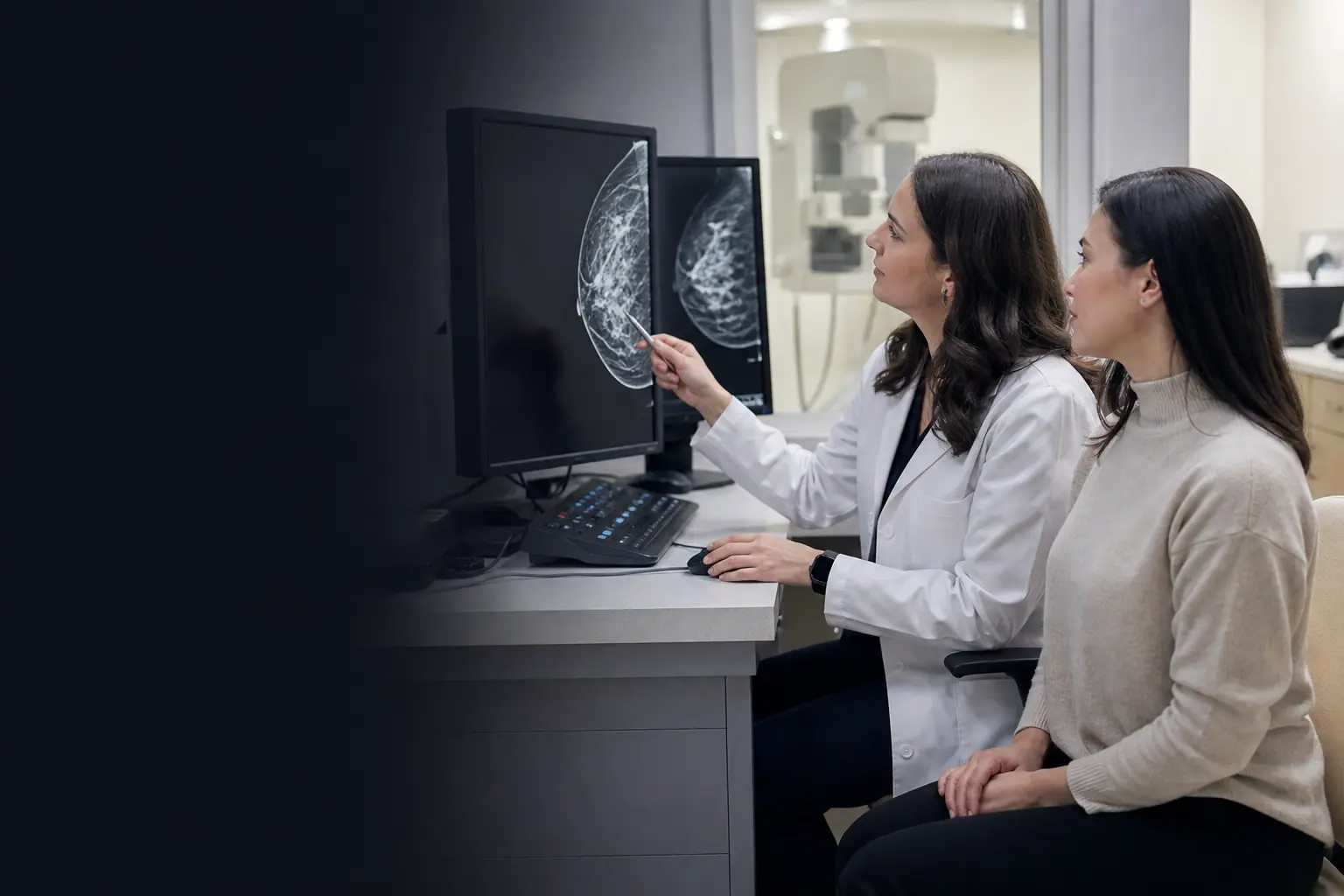
Tell every future mammogram that fat was grafted, and bring the dates. Calcifications from grafting are usually recognizable and should not be called a new cancer, but only if the radiologist knows they might be there. A new lump is still examined. Dr. Funk and Dr. Takasumi are who that examination comes back to.